U.S. applicants: follow the consulate-first sequence—get the FBI Identity History Summary, obtain a Department of State apostille, then a sworn Spanish...
Stop Spain Visa Rejection: Americans, Apostille the FBI Report First
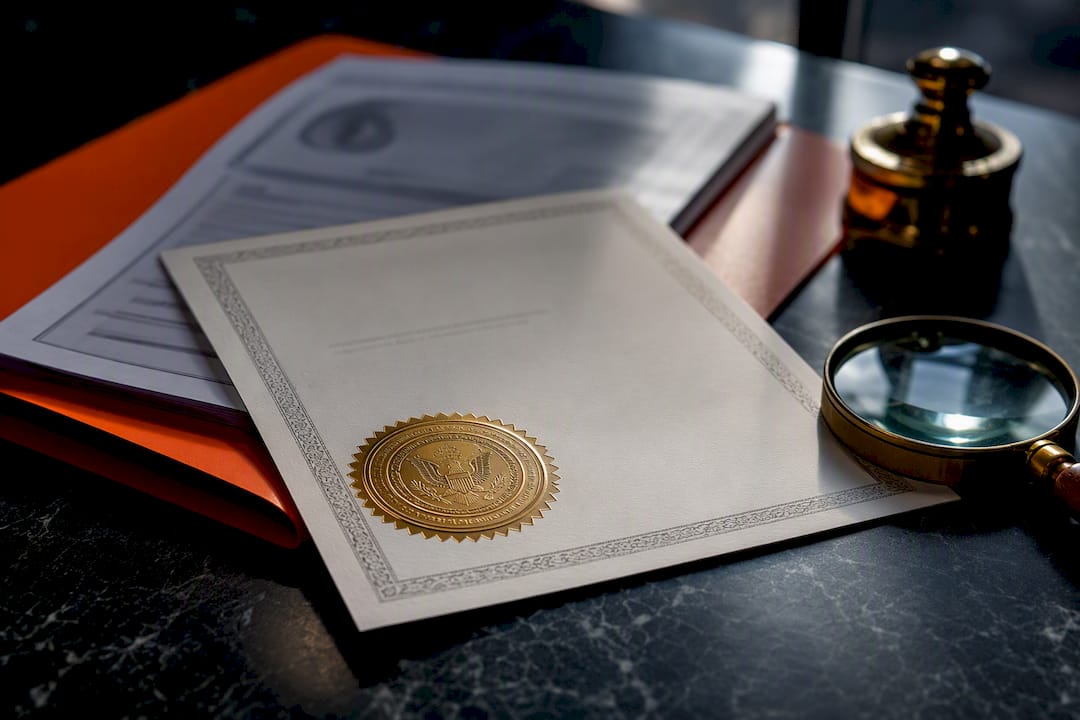
For Spain long-stay visas and residency, consulates generally require an FBI Identity History Summary, not a state or local police report. Get that document first, then send it to the U.S. Department of State for a Hague Apostille, and finally have it translated by a sworn Spanish translator. Confirm your specific consulate’s validity window before ordering anything, since acceptable document age varies by location.
TL;DR:
- The FBI Identity History Summary must be requested with fingerprinting through an approved channel, with electronic submissions being faster and more reliable than mail-in cards.
- The FBI report must be apostilled before it is translated into Spanish, as reversing the order often causes rejection due to improper certification.
- Foreign criminal records from non-Hague Convention countries require longer legalization processes, potentially delaying the application timeline.
- Submitting an FBI report instead of a state or local police check is crucial, as the consulate specifically requires the federal fingerprint-based summary.
- Professional review services can help ensure the correct document type, signature certification, and proper sequence, reducing rejection risks and saving processing time.
Table of Contents
- What Documents You Need for a Spain Visa Background Check
- How Do You Get an FBI Identity History Summary?
- Getting the Apostille and Sworn Translation in the Right Order
- Do You Need Records From Other Countries Too?
- Timing, Costs, and What Gets Applications Rejected
- Submitting to the Consulate or Extranjería
- Why Getting Professional Help With This Process Makes Sense
- Get Your Background Check Documents Right the First Time
- Sources
- FAQ
What Documents You Need for a Spain Visa Background Check
Every Spain visa application built around a criminal-record check needs the same core stack, though your assigned consulate may tack on extra requirements. Missing even one piece in this list is the fastest way to get your file bounced back.
- FBI Identity History Summary (original plus one copy), clearly labeled so consular staff can identify it immediately as the federal fingerprint-based report rather than a generic background check.
- Hague Apostille from the U.S. Department of State, attached to the FBI document and certifying the FBI’s own signature, not a notary’s.
- Sworn Spanish translation (traductor jurado) of the apostilled FBI report. The translation itself does not get its own apostille.
- Additional criminal certificates from any country where you lived for more than six months during the past five years, each properly legalized for that country.
- Passport copies, completed visa application forms, passport photos, and any consulate-specific attachments listed on your designated consulate’s page.
Spanish consulates spell this out directly: they want the FBI Identity History Summary, an apostille, and a sworn translation, and they explicitly reject state or local police background checks as substitutes.
How Do You Get an FBI Identity History Summary?
This is the document that anchors your entire background check Spain visa file, so getting the request right the first time saves weeks. The FBI’s Identity History Summary Checks process gives you several paths to the same report.
- Get fingerprinted. Use either the paper FD-258 card (available through many local police departments or fingerprinting services) or an approved live-scan provider. Live-scan is faster and reduces the chance of smudged prints causing a rejected submission.
- Choose your submission channel. You can mail your fingerprint card directly to the FBI, submit electronically through the FBI’s own online system, or go through an FBI-approved channeler that processes live-scan prints digitally.
- Fill out the request form completely. Note that you need the report “for international use” or specifically for a Spain visa or residency application. This affects how the document is formatted for apostille purposes.
- Pay the applicable fee and provide valid photo ID at the time of fingerprinting.
- Track processing time. Electronic submissions through the FBI or channelers tend to return results faster than mailed paper cards, which can take several weeks longer depending on volume.
Mail-in requests are cheaper but slower and carry more risk of a rejected card if prints come out unclear. Electronic channelers cost a bit more but usually shave real time off the wait, which matters if your consulate enforces a tight validity window on the finished report.
One detail trips up more applicants than any other: your local police department’s background check, or a state-level criminal history report, will not work here. Spanish consulates want the federal FBI report specifically, and U.S. Embassy and Consulate guidance in Spain confirms that consular offices don’t take fingerprints themselves. They send you to the FBI process, then expect the finished, apostilled document back.
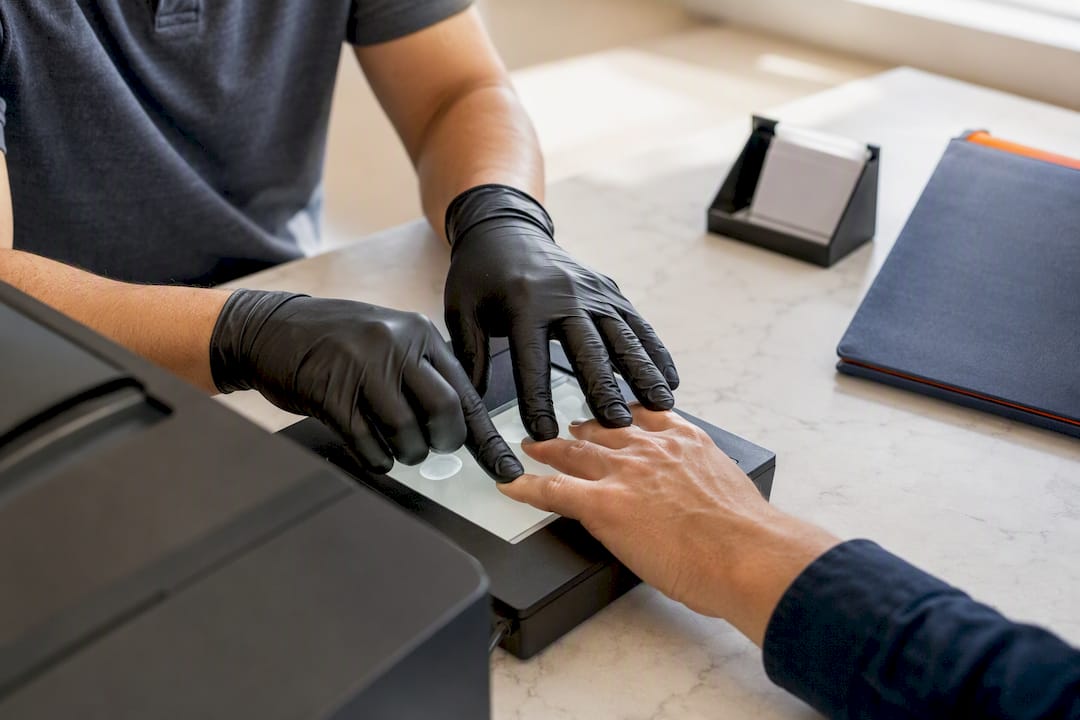
Pro Tip: Order your FBI report through an FBI-approved channeler if you’re on a deadline. The turnaround difference between electronic channeler submissions and mailed paper cards can be the difference between making your appointment and missing it.
Getting the Apostille and Sworn Translation in the Right Order
Sequence matters more than anything else in this process. Apostille the FBI report first. Translate it second. Reversing that order is one of the most common reasons documents get sent back.
The Office of Authentications at the U.S. Department of State issues the apostille for federal documents like your FBI Identity History Summary. The apostille needs to certify the signature on the FBI report itself, not a stamp from a local notary who witnessed something along the way. That distinction causes a surprising number of rejections, because some applicants notarize a copy of their FBI report and get that copy apostilled instead of sending the original federal document through the correct channel.
Here’s the practical path:
- Request your FBI Identity History Summary and wait for the physical, signed report.
- Submit that original to the Department of State’s Office of Authentications, either by mail or in person, along with the required request form and fee.
- Wait for the apostille to be affixed directly to the FBI document, then move to translation.
- Hire a sworn translator recognized by Spanish authorities (a traductor jurado) to translate the apostilled report into Spanish.
The translation does not require its own apostille. Only the original FBI document needs that seal. If you translate before the apostille is attached, your translator will be working from an incomplete document, and the consulate will likely ask you to redo it.
For a deeper walkthrough of this exact sequence, Digitalnomadinspain’s guide on how to apostille an FBI report covers the mail-in versus in-person options at the Office of Authentications in more detail. A useful outside reference on the broader mechanics of notarization-then-apostille ordering is this breakdown of getting an apostille after notarization, which explains why the wrong signature getting certified is such a persistent problem across countries, not just with Spain.
Pro Tip: Ask the translator to write “apostilled document” directly into the translation header. Some consulates want explicit confirmation that the translator worked from the apostilled version, not a plain copy.
Do You Need Records From Other Countries Too?
If you lived outside the United States for more than six months at any point in the last five years, expect to submit a criminal record from that country as well. Spain’s consulates generally apply this rule regardless of how long ago the residency happened, as long as it falls inside that five-year window.
The legalization process differs depending on where you lived. Records from other Hague Convention member states, including most EU countries, typically just need an apostille from that country’s designated authority, similar to the FBI report process. Records from non-Hague countries require a longer chain of legalization, often passing through that country’s foreign ministry and then the Spanish embassy or consulate there.
- Order every applicable certificate as early as possible, since non-Hague legalization chains can take significantly longer than the FBI process.
- Each foreign certificate needs its own sworn Spanish translation, separate from your FBI document’s translation.
- Build in extra lead time if any of your prior residences fall outside Hague Convention countries. This is where applicants most often blow their planned timeline.
Timing, Costs, and What Gets Applications Rejected
Budget more time than you think you need. Fingerprinting takes a day. The FBI report can come back in a matter of days through electronic channels or take several weeks by mail. The apostille adds more time on top of that, and the sworn translation adds a few more days once you have an apostilled original in hand.
Costs break down into several categories: the fingerprinting fee, the FBI processing fee, the Department of State apostille fee, and the sworn translator’s fee. Rates change periodically, so check current pricing directly with the FBI and the Office of Authentications rather than relying on numbers from an old blog post.
Some consulates enforce a document-recentness window, commonly cited in practice around six months, though the exact cutoff is set by each consulate individually. Confirm this before you spend money ordering documents that expire before your appointment.
The mistakes that cause the most rejections repeat themselves across applicants:
- Submitting a state or local police background check instead of the FBI Identity History Summary.
- Getting an apostille that certifies a notary’s stamp instead of the FBI report’s own signature.
- Translating the document before the apostille is attached, producing a translation the consulate won’t accept.
- Submitting damaged, folded, or stapled originals that consulates flag as tampered or incomplete.
Practitioners who process these applications regularly report that document-type errors, submitting the wrong background check entirely, are the single most common reason files get sent back. Getting the sequence and document type right the first time avoids the delay of restarting weeks into the process.
Submitting to the Consulate or Extranjería
How you deliver your packet matters almost as much as what’s in it. Some consulates require in-person appointments where staff review originals on the spot. Others work through visa application centers that collect documents on the consulate’s behalf. If you’re already in Spain applying for residency renewal or a status change, Extranjería offices have their own submission procedures separate from the consular process abroad.
- Book your appointment early, since consulate slots for visa categories tied to background checks often fill up weeks in advance.
- Bring originals, not copies, for the FBI report, apostille, and passport, even if you also submit photocopies as part of the packet.
- Follow up promptly if the consulate requests additional documentation. Delayed responses are one of the easiest ways to lose your place in the processing queue.
Why Getting Professional Help With This Process Makes Sense
Reviewing background-check packets for Spain visa applications, the pattern is consistent: most rejections trace back to one of three things: the wrong document type, an apostille certifying the wrong signature, or a translation done in the wrong order. None of these are exotic mistakes. They happen because the sequence isn’t intuitive if you’ve never dealt with international document legalization before.
That’s the gap Digitalnomadinspain closes. Its team checks each background-check packet for the correct FBI document, verifies the apostille actually certifies the FBI signature, and confirms the sworn translation was done from the apostilled version, not a plain copy. If you’re deciding between doing this yourself and getting help, the real question is whether you want to absorb the learning curve on your own timeline or skip straight to a packet that’s already been checked against consulate requirements.
— Joshua
Get Your Background Check Documents Right the First Time
Digitalnomadinspain exists for exactly this moment: when you’ve read the requirements twice and still aren’t sure your apostille certifies the right signature or your translation was done in the correct order. Rather than gambling weeks of processing time on a DIY sequence, you get document review, apostille coordination, sworn translation coordination, and consulate submission support handled by a team that processes these packets regularly.

That kind of review matters most on exactly the details covered here: FBI document type, apostille scope, and translation timing. Digitalnomadinspain’s Digital Nomad Visa services walk through document preparation alongside eligibility checks and consulate follow-up, and if you’re applying under the passive-income route instead, the Non-Lucrative Visa guide covers the same background-check requirements for that category. Start with the free eligibility check to see exactly which documents apply to your situation before you order a single fingerprint card.
Sources
- Employee Visa - Consular Section (Spanish consulate guidance)
- Office of Authentications — U.S. Department of State
- Identity History Summary Checks — FBI
- FBI Criminal Records and USCIS Fingerprint Requests — U.S. Embassy & Consulate in Spain and Andorra
FAQ
How far back does a background check for a Spain visa go?
The FBI Identity History Summary reflects your entire federal fingerprint-based criminal history, with no fixed lookback limit, and most consulates additionally require certificates covering any country where you lived more than six months in the past five years.
What disqualifies you on a background check for a Spain visa?
Serious criminal convictions, particularly felonies involving violence, drug trafficking, or fraud, are the most common disqualifiers, though outcomes depend on the specific offense and how Spanish immigration authorities evaluate it case by case.
What are common reasons for Spain visa denial tied to background checks?
The most frequent causes are submitting a state or local police report instead of the FBI Identity History Summary, an apostille that certifies a notary’s stamp rather than the FBI signature, and translating the document before it was apostilled.
Can you move to Spain if you have a felony?
A felony conviction doesn’t automatically bar you from a Spain visa, but it depends heavily on the nature and recency of the offense. Getting a professional review of your specific record before applying, through a service like Digitalnomadinspain, helps you understand your realistic options before you invest time and money in the process.
Does the sworn Spanish translation need its own apostille?
No. Only the original FBI Identity History Summary needs the Hague Apostille from the Department of State. The sworn translation is a separate document that consulates accept without any additional certification.