Discover how to obtain proof of address in Spain with the certificado de empadronamiento. Ensure your registration goes smoothly!
Proof of Address in Spain: What Counts and How to Get It
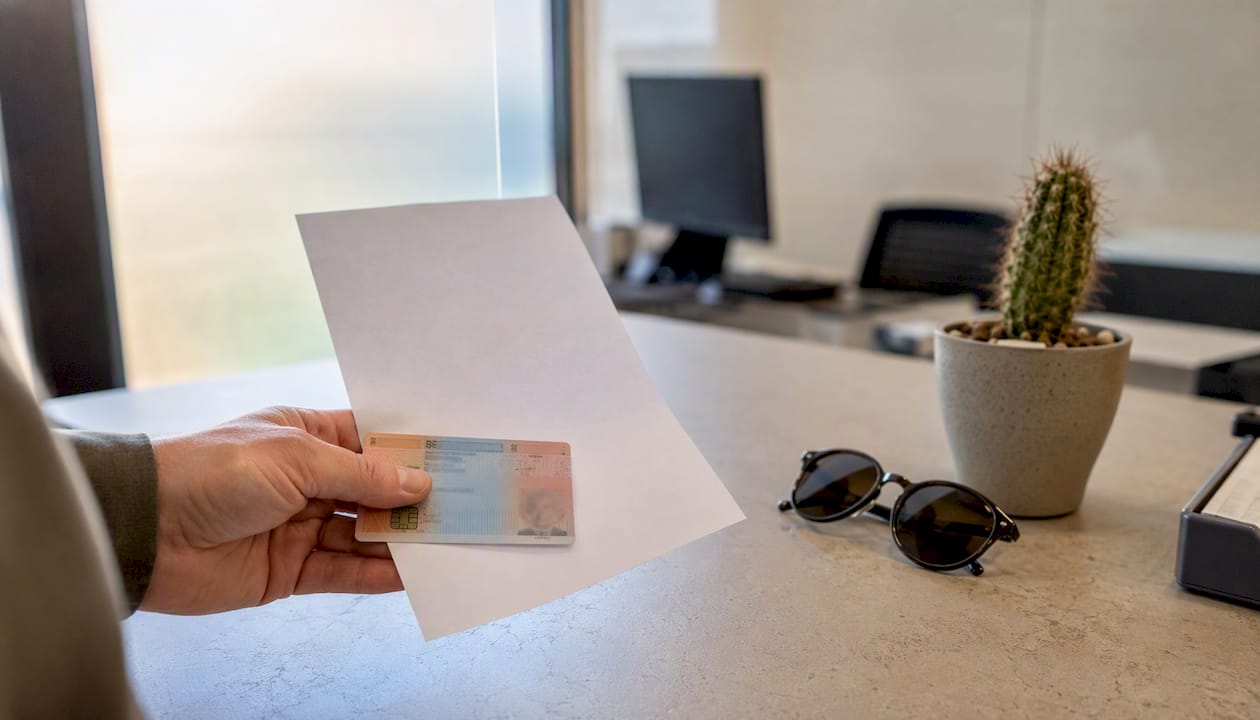
The certificado de empadronamiento is the primary accepted proof of address in Spain, and it’s the document nearly every bank, town hall, and consulate will ask for first. If you haven’t registered yet, your first move is checking with your local ayuntamiento whether you’re already on the municipal roll (some landlords or previous tenants register you without you realizing it), then booking an appointment to register if you’re not.
Bring these when you go:
- Passport or NIE/TIE
- Signed rental contract or property deed
- A recent utility bill or proof of rent payment
Quick fact: most Spanish institutions, from banks to government offices, will only accept supplemental documents like utility bills or bank statements if they’re dated within the last 90 days. Registering through the town hall (with records coordinated by the INE) sidesteps that clock entirely once you have your certificate in hand.
Key Takeaways
The certificado de empadronamiento is the single most widely accepted proof of address in Spain, and pairing it with one recent, correctly dated supplemental document clears almost every administrative hurdle.
| Point | Details |
|---|---|
| Padrón comes first | Register with your local ayuntamiento before anything else; most authorities treat this as the primary proof of address. |
| Watch the 90-day window | Utility bills and bank statements are usually only accepted if dated within the last three months. |
| Skip the mobile bill | Mobile phone bills are widely rejected; use electricity, water, gas, or landline/broadband instead. |
| Match your name exactly | Spelling mismatches between ID and address documents are the top cause of rejection. |
| Get expert help if it’s visa-related | Digitalnomadinspain reviews and prepares proof-of-address documents as part of its visa application support. |
Table of Contents
- What Is the Empadronamiento and When Do You Need It?
- What Documents Count as Proof of Address in Spain?
- How Do You Get the Empadronamiento in Spain?
- What Do Banks and Fintechs Accept as Proof of Address?
- Why Do Proof-of-Address Documents Get Rejected?
- Your Proof-of-Address Checklist Before Any Appointment
- How Digitalnomadinspain Helps You Avoid Document Rejections
- Where to Verify Local Rules and Get Official Forms
- Sources
- FAQ
What Is the Empadronamiento and When Do You Need It?
The empadronamiento is your entry in the municipal register, the official record that says you live at a specific address in a specific town. It’s not optional. Everyone residing in Spain, citizen or not, is legally expected to register with their local council.
There are two versions of this document, and confusing them causes more headaches than almost anything else in Spanish bureaucracy.
Volante is the informal extract, fine for quick errands like enrolling a kid in school or picking up a library card. Certificado is the formal, often digitally signed version, and it’s what immigration officers, banks, and consulates actually want. If you’re not sure which one a process requires, ask the town hall directly before you show up empty-handed.
You’ll need this document for:
- TIE card appointments and renewals
- Registering with the public health system
- School enrollment for children
- Vehicle registration
- DNI or passport procedures
- Visa-related consulate appointments
The Empadronamiento in Spain guide from Spain Handbook notes that non-EU nationals typically need to renew this certificate periodically to preserve residency seniority, which is easy to overlook once you’re settled.
What Documents Count as Proof of Address in Spain?
Beyond the padrón, several document categories show up again and again across banking, visa, and administrative processes. Knowing which ones actually work saves you a wasted trip.
The main categories institutions accept:
- Certificado de empadronamiento — the gold standard, accepted almost everywhere
- Signed rental contract (contrato de alquiler) — must show your name and the property address clearly
- Property deed (escritura) — for homeowners, proves address ownership directly
- Recent utility bills — electricity, water, gas, or landline/broadband, never mobile
- Bank statements — showing your full name and current address
Most organizations enforce a 90-day recency rule on utility bills and bank statements. A gas bill from five months ago won’t fly, even if nothing about your address has changed.
Pro Tip: Mobile phone bills are almost universally rejected as proof of address in Spain, even though they feel like a natural fit. Banks and government offices treat them as too easy to fake or reassign. Stick to landline, broadband, electricity, or gas.
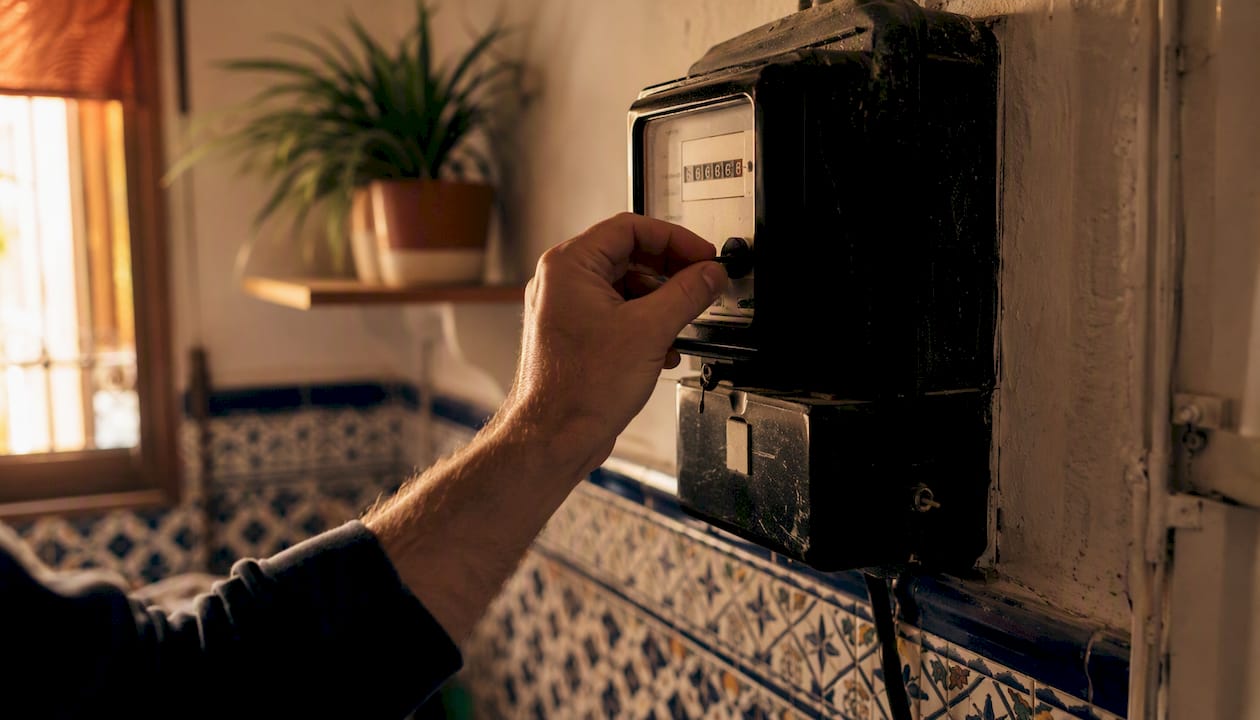
Screenshots of digital bills need to show the full issuer name and URL, not just a cropped total. And if the name on your utility account doesn’t match the name on your ID exactly, expect a rejection regardless of how recent the document is.
How Do You Get the Empadronamiento in Spain?
Getting registered follows a fairly predictable sequence, though exact requirements shift slightly by municipality. Larger cities like Madrid and Barcelona often allow online booking; smaller towns may require an in-person visit to even check the requirements list.
- Check your local ayuntamiento’s website for its specific document list and appointment system.
- Gather your ID (passport, NIE, or TIE) plus proof of occupancy.
- Complete the padrón registration form, either online or at the counter.
- Request either a volante or certificado, depending on what you need it for.
Documents to bring to your appointment:
- Passport, NIE, or TIE card
- Signed rental contract or property deed
- A recent utility bill or rent payment receipt
- Written authorization from the registered tenant or owner, if you’re renting a room rather than a full unit
Processing speed varies. Some town halls issue the certificate the same day; others take a week or more, especially in high-demand areas during peak relocation season. The Spain Handbook’s empadronamiento guide points out that many authorities require a certificado issued within the last three months for formal procedures, so don’t request yours too early if you have a visa appointment scheduled weeks out.
Pro Tip: If you’re renting just a room, ask the primary tenant or owner for a signed authorization letter and a copy of their ID before your appointment. Missing this single piece of paper is one of the most common reasons registrations get rejected on the spot.
What Do Banks and Fintechs Accept as Proof of Address?
Banks and fintech providers apply a stricter filter than most government offices, mainly because they’re checking two different things at once. Address validation confirms your address is real and properly formatted; verification confirms you actually live there. Most financial institutions want both, which is why a padrón printout alone sometimes isn’t enough for account opening.
The distinction matters because validation and verification serve different purposes: one checks the postal code and format, the other checks occupancy.
Typical accepted documents at banks and fintechs:
- Recent utility bills (electricity, water, gas)
- Bank statements with full name and address
- Signed lease agreements
Revolut’s Spain help page lists utility bills, bank statements, tenancy agreements, and government certificates as standard, while mobile bills are typically excluded across the board.
Pro Tip: If a bank rejects your document, ask specifically what was wrong with it in writing. Then pair a second document, like a rent payment receipt alongside your padrón volante, rather than resubmitting the same file and hoping for a different result.
Why Do Proof-of-Address Documents Get Rejected?
Rejections almost always trace back to a handful of preventable mistakes. Name spelling that doesn’t match across documents is the biggest one. A missing accent mark or a shortened first name can be enough to trigger a rejection, since automated fraud checks are increasingly strict about exact matches.
Other frequent culprits: a document older than the recency window, a mobile phone bill submitted where it’s not accepted, a blurry or cropped scan, and renting a room without the owner’s written authorization on file.
Quick fixes that solve most of these before they become a problem:
- Match your name’s spelling exactly across every document you submit
- Request a fresh utility bill or bank statement rather than reusing an old one
- Get owner or primary tenant authorization in writing if you’re subletting a room
- Ask for a certificado instead of a volante whenever the process feels formal or legal in nature
Your Proof-of-Address Checklist Before Any Appointment
Pack this before heading to a town hall, bank, or consulate visit:
- Copy of your passport, NIE, or TIE
- Original plus a copy of your certificado or volante de empadronamiento
- Signed rental contract or property deed
- One recent utility bill or bank statement (within 90 days)
- Written owner/tenant authorization, if applicable
- Clean, legible scans or printed copies of everything above
Pro Tip: Double-check that every name and address matches character for character across your documents. If anything isn’t in Spanish, ask the specific institution whether they require a certified translation before your appointment, not after.
A Practical Note on Getting This Right the First Time
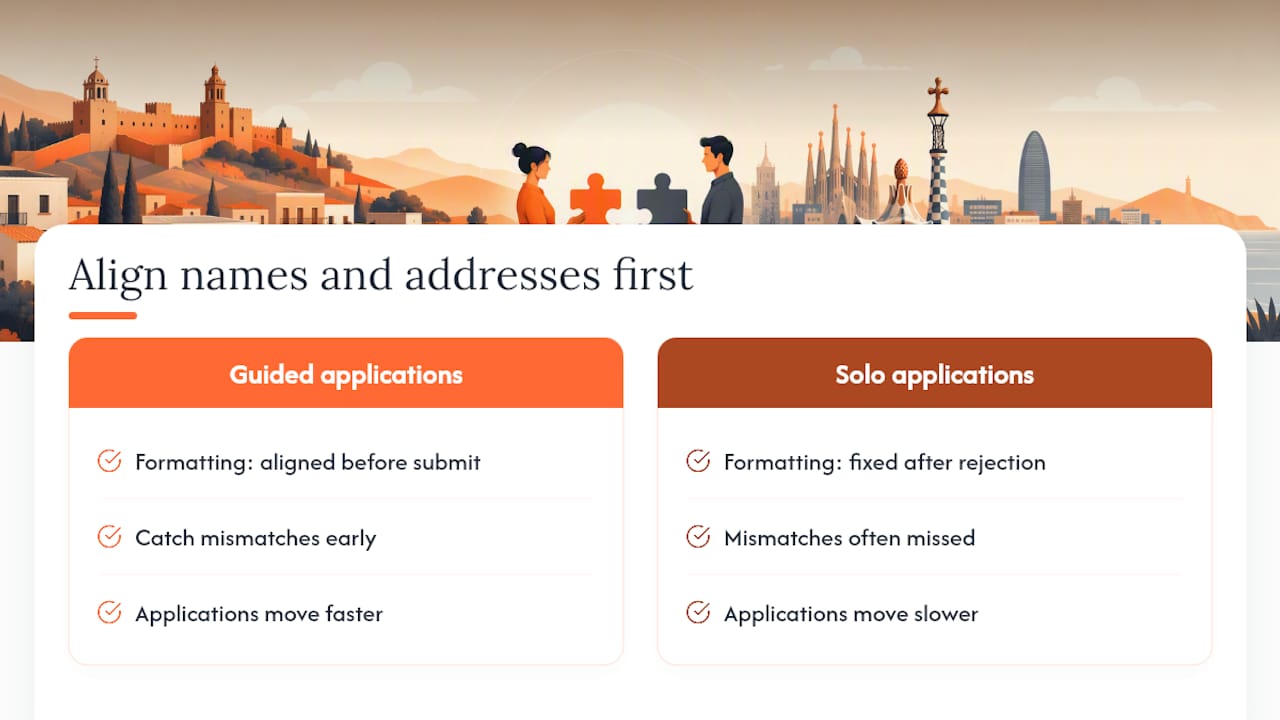
The single habit that prevents the most headaches: line up every document’s name and address formatting before you submit anything, not after a rejection forces you to. Applicants preparing residency paperwork with professional support tend to catch these mismatches early, which is a big part of why guided applications move faster than solo ones.
How Digitalnomadinspain Helps You Avoid Document Rejections
Chasing down the right proof-of-address paperwork on your own means learning municipal quirks, bank-specific rules, and visa formatting requirements all at once, often under a ticking appointment clock. Digitalnomadinspain handles that groundwork for you: eligibility checks, document preparation, translation guidance, and appointment support for empadronamiento and visa steps alike.

That means someone who already knows what a given consulate or ayuntamiento will and won’t accept reviews your documents before you submit them, not after a rejection letter shows up. If you’re preparing for a Digital Nomad Visa application, this is exactly the kind of detail that determines whether your appointment goes smoothly or gets bounced back for resubmission. Start with a quick eligibility check to see where your document set stands before you book anything.
Where to Verify Local Rules and Get Official Forms
- INE’s municipal register portal for querying registration history and understanding how records are coordinated nationally
- Spain Handbook’s empadronamiento guide for step-by-step registration instructions by municipality
- Revolut’s accepted document list as an example of fintech-specific requirements
- GeoPostcodes’ Spain address validation page for understanding address format standards
This article is general information, not a substitute for advice from a qualified lawyer. Consult a qualified legal professional about your own circumstances before acting on anything here.
Sources
- Empadronamiento in Spain: How to Register Your Address - Spain Handbook
- What it is and how to get proof of residence in Spain - Alice Biometrics
- Online consultation of the history of municipalities in the INE register base - INE
- Spain address validation — GeoPostcodes
- Accepted proof of address documents | Revolut Spain
FAQ
What Counts as Proof of Address in Spain?
The certificado de empadronamiento is the primary accepted document, followed by recent utility bills, bank statements, signed rental contracts, and property deeds, most requiring a date within the last 90 days.
What Documents Can I Use as Proof of Residence in Spain?
Accepted documents typically include the empadronamiento certificate, a signed lease or deed, and a recent electricity, water, gas, or broadband bill; mobile phone bills are usually not accepted.
What Is Considered a Valid Proof of Address?
A valid document shows your full legal name and current address exactly as it appears on your ID, and it falls within the recency window the requesting institution sets, generally 90 days for utility bills and bank statements.
Do Non-EU Residents Need to Renew Their Empadronamiento?
Yes. Many non-EU nationals need to renew their certificado every two years to preserve residency seniority, according to guidance from Spain Handbook.
Can Digitalnomadinspain Help Me Prepare Proof-of-Address Documents?
Yes. Digitalnomadinspain reviews and prepares empadronamiento, rental, and utility documentation as part of its visa application support services, helping applicants avoid the mismatches that cause rejections.